
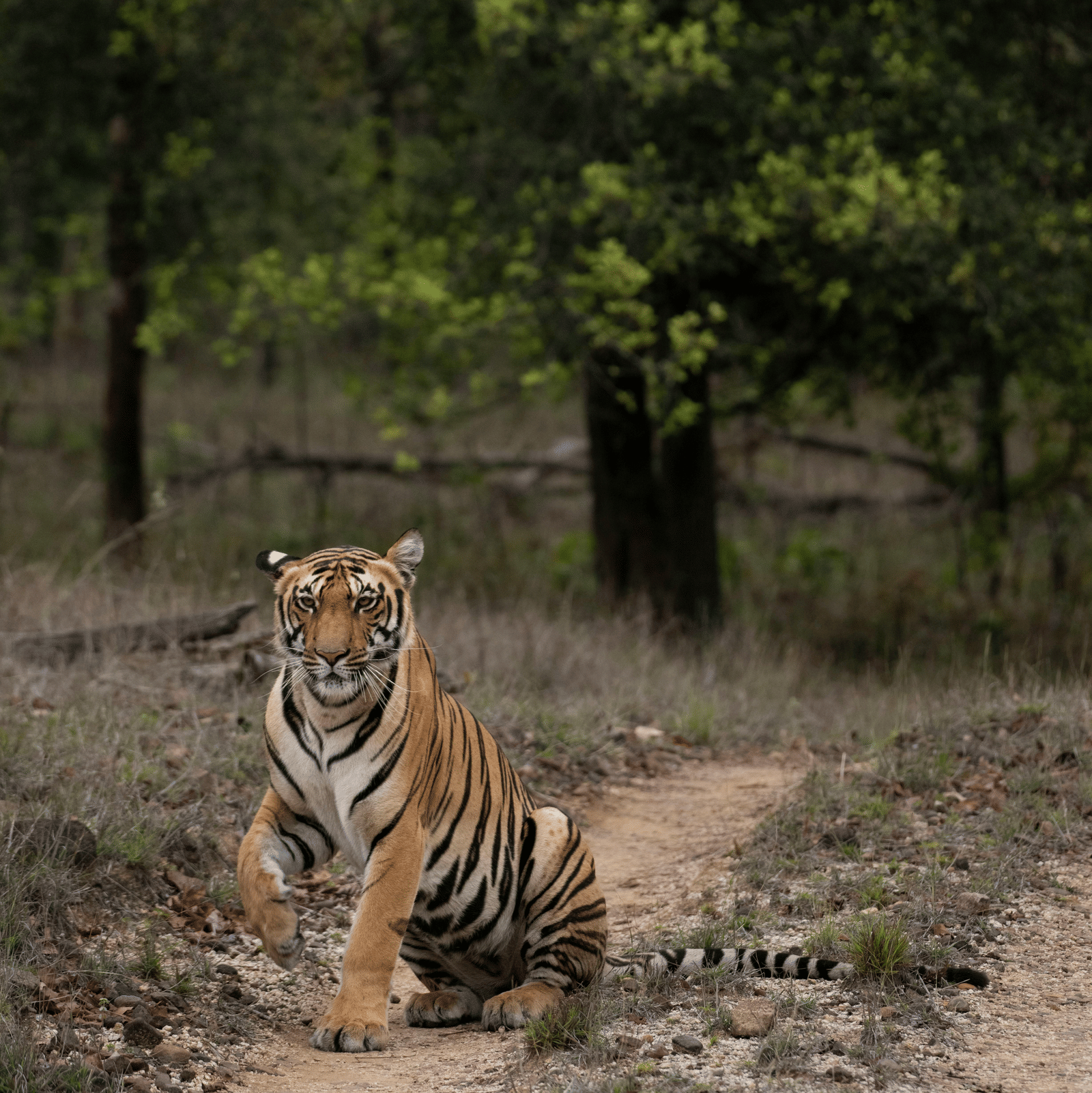
The Legacy of Project Tiger
The significance of the park extends beyond its wildlife. On April 1, 1973, it became the launch site for Project Tiger, a nationwide conservation initiative aimed at protecting the Bengal tiger. Led by the National Tiger Conservation Authority, the programme has since expanded across India.
Its origins here add a deeper layer to every visit, highlighting how sustained conservation efforts over decades have helped preserve this remarkable landscape.
The Wildlife that Makes Corbett Extraordinary
Jim Corbett Tiger Reserve is defined by its extraordinary wildlife, with the Bengal tiger lying at the heart of the Corbett experience. With an estimated population of around 260 individuals, it has one of the highest tiger densities in India. The reserve also supports more than 1,100 Asian elephants, offering a rare opportunity to witness both species in significant numbers.
Beyond these iconic animals, the reserve is home to leopards, sloth bears, Asiatic black bears, sambar, chital, barking deer, Indian pangolin, and the elusive fishing cat. This diversity creates a rich and thriving ecosystem that continues to captivate wildlife enthusiasts.


The Ramganga River flows through the park, sustaining aquatic life and attracting a diverse range of bird species. Gharials and mugger crocodiles can often be spotted along its banks, while about 600 species of birds make this a paradise for birdwatchers. Sightings may include the crested serpent eagle, Pallas’s fish eagle, and the rare ibisbill.
Exploring the Safari Zones
Jim Corbett National Park is divided into several safari zones, each offering a distinct landscape and wildlife experience. Understanding these zones helps you plan a more rewarding visit.
- Dhikala Zone: This iconic zone is known for expansive grasslands, river channels, and dense forests. It is among the best areas for tiger sightings and requires advance booking, with access limited to those staying at the forest rest house. Open from 15th November to 15th June.


- Bijrani Zone: Located near Ramnagar, this zone offers open meadows and riverine stretches. It is a popular choice for tiger sightings and is easily accessible. Open from 15th October to 30th June.
- Jhirna Zone: Situated along the southern boundary, this zone is rich in wildlife, including tigers, leopards, elephants, and sloth bears. It remains open throughout the year (subject to weather conditions), making it ideal during the monsoon.
- Dhela Zone: A relatively newer zone featuring mixed forest landscapes and diverse wildlife, including tigers and birdlife. It is open year-round (subject to weather conditions) and is convenient for travellers staying nearby.
- Durgadevi Zone: Located on the north-eastern edge, this zone is defined by river systems and is known for elephant and otter sightings. Open from 15th November to 15th June.


- Garjia Zone: A popular safari zone known for its dense sal forests, open grasslands, and rich wildlife, including tigers, elephants, and diverse bird species. Located close to Ramnagar, it is ideal for day safaris and offers a high chance of wildlife sightings.
- Pakhro Zone: A relatively new and less crowded safari zone near Kotdwar, featuring dense forests, river streams, and wildlife such as elephants, tigers, leopards, and birds. Open from mid-October to mid-June (subject to weather), it offers a quieter and more undisturbed experience.
- Sonanadi Zone: A scenic buffer zone set within a wildlife sanctuary, known for dense sal forests and riverine landscapes. It is home to elephants, tigers, leopards, and around 550 bird species, offering a quieter wildlife experience. The zone is open from mid-October to mid-June and is ideal for jeep safaris and nature exploration.


Safari Timings, Permits, and Booking
Safaris are conducted twice daily, in the morning and afternoon, with each session lasting approximately 3 and a half to 4 hours.
As a general guide:
- Morning safaris run from approximately 6:00 AM to 9:30 AM
- Afternoon or evening safaris run from approximately 2:30 PM to 6:00 PM (Note: Timings may vary with the seasons.)
Each vehicle is accompanied by a certified naturalist and accommodates up to 6 guests. Permits must be booked through the official portal, opening 45 days in advance for Indian nationals and 90 days for international visitors. As availability is limited, especially during peak season, early booking is essential.
While most core zones close during the monsoon, Jhirna and Dhela remain open throughout the year.


The Best Time to Visit Corbett Tiger Reserve
Planning a trip to Jim Corbett National Park depends on the kind of experience you are looking for, as each season offers something unique:
- November to February: Cool and clear weather with better visibility as vegetation thins after the monsoon. Ideal for comfortable travel and easier wildlife spotting along grasslands and riverbanks.
- March to June: Peak season for wildlife sightings. As water sources reduce, animals gather near the Ramganga River and waterholes, increasing chances of spotting tigers, elephants, and deer. Also great for photography with golden forest landscapes.
- July to October: Monsoon season brings lush greenery and a quieter forest experience. While most core zones are closed, Jhirna and Dhela remain open. Best suited for birdwatching and those seeking a peaceful visit.

Beyond the Safari
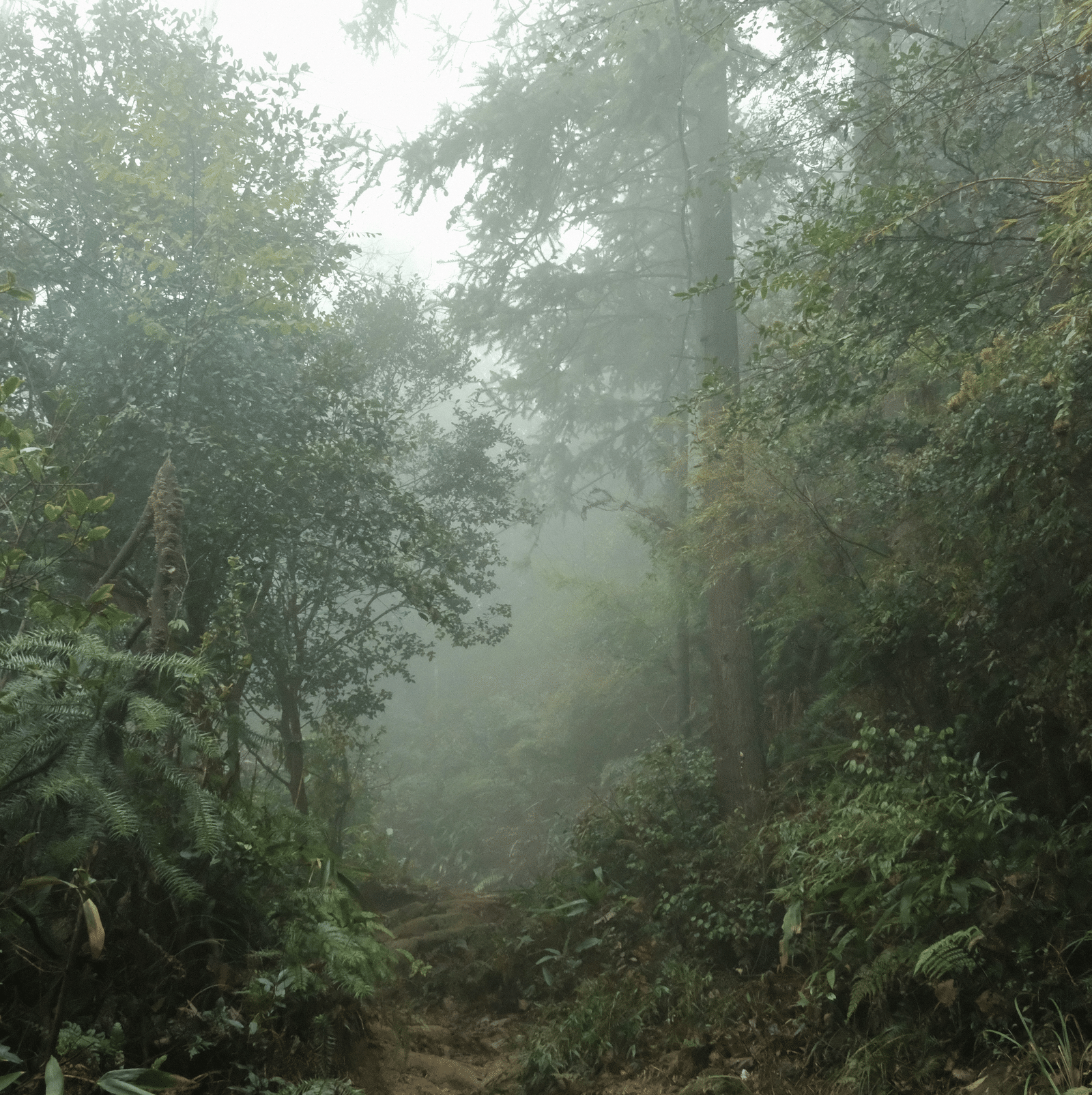
A visit to Jim Corbett National Park extends well beyond time spent on safari. The surrounding landscape offers quieter experiences such as walks along the Ramganga riverbank, early mornings filled with birdsong, and evenings when the forest glows in soft golden light.
Photography here goes beyond wildlife, capturing details like the texture of sal trees, reflections on the river, and light filtering through the canopy. Guided nature walks in the buffer zones also reveal the finer aspects of the ecosystem, from animal tracks to bird calls that are often missed during safaris.
These slower, more immersive moments add depth to the experience, making a visit to Jim Corbett Tiger Reserve more meaningful than just wildlife sightings.


Staying Close to the Wild: Eminence The Corbett
Where you stay plays a crucial role in shaping your overall experience. Staying close to safari zones allows for early starts and relaxed returns after time in the forest. Eminence The Corbett, with its comfortable and well-appointed rooms, offers a convenient base for planning multiple safaris. Designed for couples, families, and groups, it combines proximity to the wilderness with a peaceful and comfortable setting.
Beyond safaris, guests can enjoy a range of facilities including nature walks, cycling experiences, and quiet evenings under the stars. The swimming pool offers a refreshing break during the day, while bonfires create a warm and relaxed atmosphere at night.
Dining spaces like Forest Grounds and Panther’s Perch overlook the surrounding landscape, allowing guests to remain connected to nature even while unwinding. Mornings here feel purposeful and adventurous, while evenings are calm and restorative.
